

Tourism in Patharkhmah Civil Sub-Division
Discover the Authentic Western Gateway of Meghalaya
Patharkhmah offers a rare opportunity to experience Meghalaya’s untouched beauty and authentic Khasi-Bhoi culture. Unlike the crowded hill stations, this sub-division provides genuine offbeat travel experiences where rolling pineapple orchards meet dense elephant corridors, and traditional village life continues unchanged by mass tourism. Located strategically between Guwahati and Shillong, Patharkhmah serves as the perfect base for exploring Western Ri-Bhoi’s hidden treasures.
Best Time to Visit
October to March - The Golden Season (Highly Recommended)
This is unquestionably the ideal time to visit Patharkhmah. Post-monsoon clarity transforms the landscape into a luminous green paradise, with temperatures ranging between 10°C and 24°C. The skies are clear, rivers run at safe levels, and forest trails are accessible without monsoon hazards. October and November coincide with pineapple and ginger harvests, creating a sensory feast of colors and fragrances. Traditional festivals like Ka Shad Sajer typically occur between January and March.
March to May - The Warm Shoulder Season
Spring brings rising temperatures (20°C to 32°C) and gradual landscape greening with pre-monsoon showers. This period is excellent for forest exploration as undergrowth remains manageable and wildlife is more visible near water sources. The upcoming Kyrmang Festival is scheduled for this window, making it an exciting period for cultural tourism.
June to September - The Monsoon Adventure Season
Heavy rainfall transforms Patharkhmah dramatically, with unnamed seasonal waterfalls cascading down hillsides and forests becoming impossibly lush. While not suitable for casual tourists, adventurous travelers will find unparalleled landscape photography opportunities. However, river activities are inadvisable, and road conditions require careful monitoring.
How to Reach Patharkhmah
From Guwahati (60 km - Recommended Route)
- Via Rani-Garbhanga Road: Most scenic route passing through Garbhanga Reserve Forest
- Travel Time: 1.5-2 hours depending on road conditions
- Transport Options: Hired taxis from Paltan Bazaar, shared vehicles from Adabari bus stand
- Advantages: Well-surfaced road, forest scenery during journey
From Shillong (119 km)
- Via Mairang Route: Passes through highland landscapes before descending to Patharkhmah
- Travel Time: 3-3.5 hours
- Note: Road quality varies; allow extra time during/after monsoon
From Nongpoh (67 km)
- Interior Route: Deep dive into Ri-Bhoi’s agricultural heartland
- Travel Time: 1.5-2 hours
- Regular Services: Shared taxis and local buses available
Major Tourist Attractions
Warmawsaw - The Adventure Capital
Warmawsaw has achieved legendary status among Northeast India’s off-roading and motorcycling communities. The rugged “New Jirang” road offers challenging terrain with steep gradients, sharp curves, and river crossings that test both machine and rider.
What to Experience:
- Off-Road Adventures: Unpaved stretches perfect for dirt bikes and 4WD vehicles
- Scenic Photography: Panoramic river valley views and forest canopy vistas
- River Exploration: Safe swimming spots and natural picnic areas along smooth boulder riverbanks
- Forest Walking: Short trails revealing ferns, orchids, and rare bird species
Best Time: October to March for optimal road conditions and clear skies
Important: Travel in groups, carry emergency supplies, avoid night travel
Garbhanga Reserve Forest - The Biodiversity Hotspot
This critical elephant corridor straddling the Assam-Meghalaya border represents one of the region’s most ecologically significant forest complexes. The tropical moist deciduous forest transitions to semi-evergreen at higher elevations, creating extraordinary biodiversity within a compact area.
Wildlife and Activities:
- Bird Watching: Over 200 species including Great Hornbill, Indian Roller, and Crested Serpent Eagle
- Guided Trekking: 3-4 hour forest trails with experienced local guides
- Wildlife Spotting: Elephants, leopards, wild boar, and various primates
- Hidden Waterfalls: Theopani Falls (45-minute trek) and Garoghuli Waterfall (seasonal)
Safety Requirements: Forest department permission required, local guide mandatory, carry whistles, avoid bright colors
Best Season: November to February for wildlife and bird watching
Umtrew River Basin - Pristine Waters and Tranquility
The Umtrew River creates diverse landscapes from shallow, wadeable stretches to dramatic gorges with powerful currents. The remarkably clear water over smooth stone beds, surrounded by dense forest canopy, provides some of Western Meghalaya’s most photogenic river scenes.
River Activities:
- River Walking: Shallow sections perfect for wading during dry season
- Traditional Fishing: Learn local techniques with community fishermen
- Landscape Photography: Early morning mist and forest reflections
- Family Picnicking: Natural grassy areas along riverbanks
- Nature Trails: Gentle forest paths accessible to most fitness levels
Optimal Period: November to April for safe water levels and pleasant weather
Agro-Tourism Experiences - The Fruit Bowl Journey
Patharkhmah’s “fruit bowl” reputation offers authentic agricultural tourism experiences unavailable in conventional destinations.
Harvest Experiences:
- Pineapple Orchards: October-December harvest of Kew and Queen varieties on terraced hillsides
- Ginger Fields: November-January Nadia variety harvest with traditional processing observation
- Rubber Plantations: Early morning latex tapping demonstrations in expanding plantation areas
- Organic Markets: Direct purchase from farmers at fraction of city prices
- Cultural Integration: Arrange through village Dorbars or homestay hosts for authentic farmer interactions
Cultural Heritage and Festivals
Festivals of Patharkhmah: A Cultural Mosaic at the Border
Patharkhmah’s strategic location along the Assam-Meghalaya border has created a unique cultural landscape where diverse communities celebrate their traditions in harmonious coexistence. The sub-division’s mixed population—comprising Khasi-Bhoi, Assamese, Karbi, Rabha, and other communities—ensures a vibrant year-round festival calendar that offers visitors an authentic glimpse into Northeast India’s rich multicultural heritage.
Bihu: The Assamese Heartbeat in Patharkhmah
Rongali Bihu (Bohag Bihu) - Mid-April
The most spectacular and widely celebrated festival in the region, Rongali Bihu marks the Assamese New Year and the onset of spring. This festival transcends ethnic boundaries in Patharkhmah, with the entire community participating in the celebrations.
- Traditional Performances: Young men and women perform the iconic Bihu dance in open grounds near the market area and riverside clearings
- Traditional Attire: Women wear vibrant mekhela chador (traditional Assamese silk), while men perform in dhoti and kurta
- Musical Accompaniment: The rhythmic beats of dhol (drums) and melodic pepa (buffalo horn flute) fill the air
- Cross-Cultural Participation: Khasi-Bhoi youth often join Assamese neighbors in performances, exemplifying the region’s cultural harmony
- Culinary Delights: Traditional foods include pitha (rice cakes), laru (coconut sweets), and jolpan (traditional breakfast)
- Gamosa Tradition: The ceremonial gifting of hand-woven towels as marks of respect and affection
Bhogali Bihu (Magh Bihu) - Mid-January
The harvest festival celebrating the end of the agricultural season, Bhogali Bihu is characterized by community feasting and thanksgiving.
- Meji and Bhela Ghar: Traditional bamboo structures built for bonfires and temporary feast huts
- Community Feasting: Elaborate meals shared among neighbors from different ethnic backgrounds
- Traditional Games: Rural sports and traditional competitions
- Dawn Ceremonies: Ritual burning of meji structures at sunrise to mark the harvest conclusion
Kongali Bihu (Kati Bihu) - October
The quieter, more reflective autumn Bihu observed when granaries are empty and crops are growing. Earthen lamps are lit in paddy fields and near homes to invoke divine blessings for the growing crops.
Indigenous Khasi-Bhoi Festivals
Ka Shad Sajer - January to March
The primary agrarian festival dance of the Khasi-Bhoi community, performed to express gratitude for harvest and invoke blessings for the coming agricultural cycle.
- Sacred Symbolism: Circular dance formations representing nature’s cycles and community unity
- Traditional Music: Accompanied by ka nakra (drums) and tangmuri (flutes)
- Spiritual Significance: Rooted in indigenous Niam Khasi beliefs while embracing Christian faith
Christmas and New Year - December
Given the predominantly Christian character of the Khasi-Bhoi community, Christmas transforms Patharkhmah into a celebration of faith and community spirit.
- Church Decorations: Traditional bamboo and wood churches illuminated with lights
- Carol Singing: Community groups traveling between villages
- Community Feasts: Massive gatherings bringing together families and neighbors
- Cultural Fusion: Blend of Christian faith with Khasi cultural traditions
Tribal Community Celebrations
- Karbi Festivals: Rongker (March-April): The Karbi New Year celebration featuring thanksgiving ceremonies to the deity Hemphu, traditional dances, and community bonding. Chomangkan (Variable Dates): An elaborate multi-day ceremony honoring deceased family members, featuring bamboo structures, traditional music, and ancestral rituals.
- Rabha Community Festivals: Baikho Festival: A vibrant spring celebration dedicated to the deity of wealth and bountiful harvest, featuring traditional dances and community gatherings in border village clusters.
Regional Multicultural Celebrations
- Hindu Festivals (Nearby Areas): Durga Puja & Kali Puja: Celebrated in nearby Kamrup district with elaborate pandals, cultural programs, and community meals. Diwali: Observed by Hindu families in mixed localities with traditional lighting and sweets.
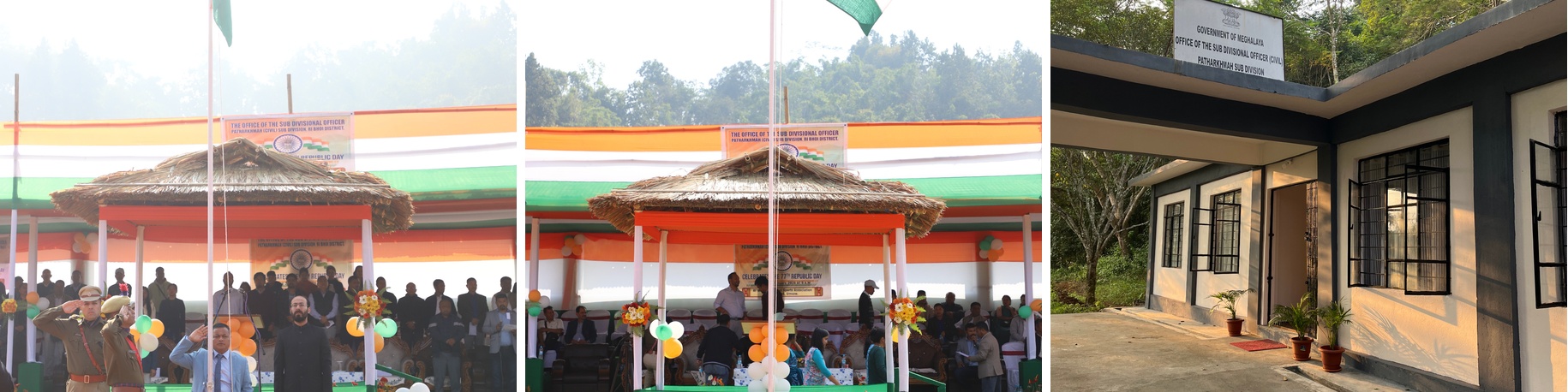
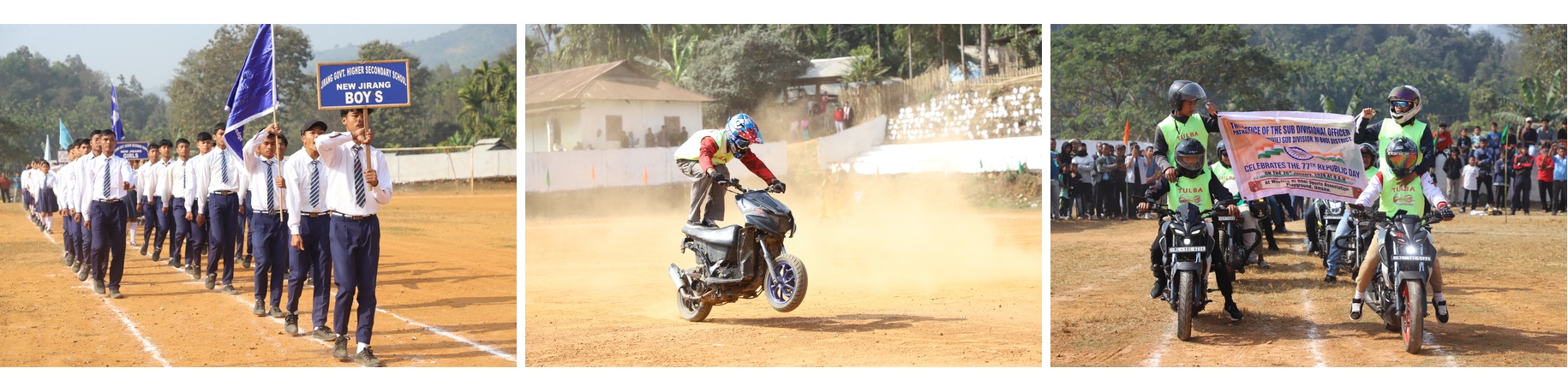
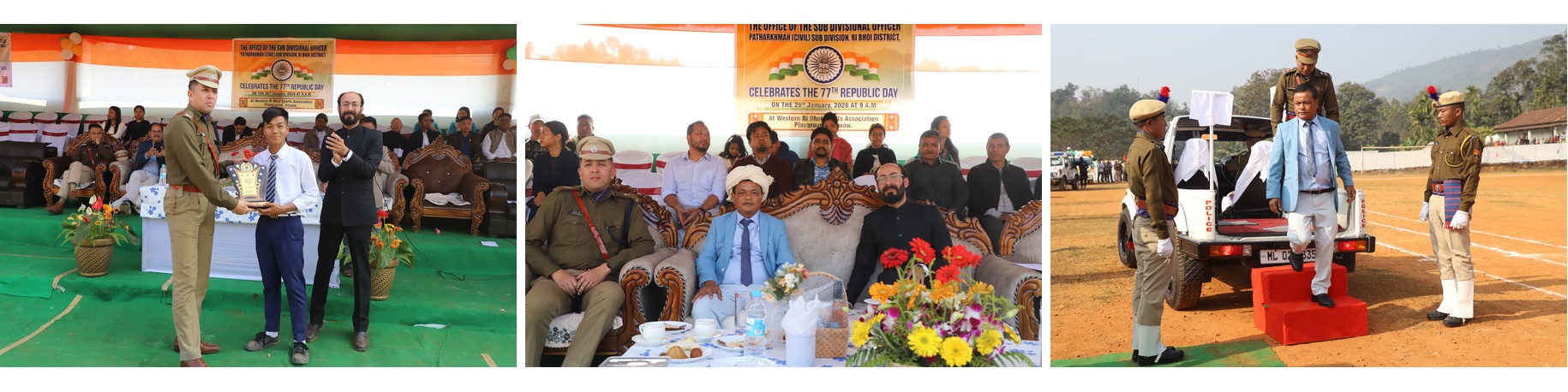
- National Celebrations: Independence Day & Republic Day: Observed with flag-hoisting ceremonies, cultural programs, and sports competitions at the sub-division headquarters. Local Melas: Seasonal fairs combining traditional games, sports meets, and cultural exchanges.
Festival Calendar at a Glance
| Festival | Community | Period | Character |
|---|---|---|---|
| Bhogali Bihu | Assamese/Mixed | Mid-January | Harvest feast, bonfires, community bonding |
| Ka Shad Sajer | Khasi-Bhoi | January-March | Agrarian dance, thanksgiving ceremonies |
| Rongker | Karbi | March-April | Spring thanksgiving, traditional prayers |
| Rongali Bihu | Assamese/All Communities | Mid-April | New Year celebration, dance, music |
| Baikho | Rabha | Spring/Summer | Harvest deity worship, traditional dances |
| Kongali Bihu | Assamese | October | Quiet lamp-lighting, agricultural prayers |
| Christmas | Khasi-Bhoi/Christian | December | Carol singing, community feasts |
| Treilang Festival | All Communities | March-April (Annual from 2026) | Cultural convergence, administrative outreach |
The Spirit of Cultural Harmony
What makes Patharkhmah’s festival culture truly special is the organic, spontaneous participation across community lines. Decades of neighborly coexistence have created an environment where: Khasi grandmothers know traditional Assamese recipes, Assamese youth participate respectfully in Khasi ceremonies, Karbi and Rabha communities share their festivals with newer residents, and festival foods, music, and traditions are exchanged naturally.
Village Homestays - Living Cultural Immersion
Traditional homestays provide genuine insight into Khasi-Bhoi matrilineal society, where the Ka Khadduh (youngest daughter) manages household affairs and preserves family traditions.
Homestay Experiences:
- Authentic Cuisine: Traditional Khasi dishes featuring local spices, bamboo shoots, and organic vegetables
- Craft Observation: Bamboo weaving demonstrations for baskets and rain shields (knup)
- Community Participation: Village Dorbar meetings and traditional governance observation (with permission)
- Oral Traditions: Evening storytelling sessions in local dialect
- Practical Details: ₹500-₹1,500 per night including meals, negotiate respectfully, support local economy
Nearby Major Attractions
- Umiam Lake (Barapani) - 84 km via Nongpoh: Meghalaya’s iconic man-made reservoir surrounded by pine-covered hills, offering boating, water sports, and stunning panoramic views. Particularly beautiful at sunrise and sunset.
- Nongkhyllem Wildlife Sanctuary - 45 km via Nongpoh: Premier wildlife reserve spanning 29 square kilometers, renowned for Rufous-necked Hornbill, Clouded Leopard, and Indian Bison populations.
- Kamakhya Temple, Guwahati - 60 km: One of India’s most sacred Shakti Peethas, perched on Nilachal Hill overlooking the mighty Brahmaputra River.
Accommodation Options
| Type | Facility | Price Range | Booking Method |
|---|---|---|---|
| Government IB | Patharkhmah Inspection Bungalow | Government rates | Prior SDO office permission |
| Village Homestays | Family-run authentic experiences | ₹500-₹1,500/night | Village Dorbar coordination |
| Budget Hotels | Basic town accommodation | ₹800-₹2,000/night | Walk-in or local booking |
| Nearby Options | Guwahati hotels (60 km) | ₹1,500-₹10,000+/night | Online platforms |
Essential Travel Information
Local Transportation
- Shared Taxis: Primary inter-village transport on fixed routes
- Auto-Rickshaws: Available within Patharkhmah town
- Motorcycle Hire: Recommended for rugged terrain exploration (informal hire through local contacts)
- 4WD Vehicles: Essential for Warmawsaw and forest areas, especially post-monsoon
Banking and Communication
- ATM Access: Limited facilities; carry adequate cash
- Banking: SBI Patharkhmah (IFSC: SBIN0009435), Meghalaya Rural Bank, HDFC etc
- Mobile Coverage: Available in town and major roads; limited in forest areas
- Internet: Basic connectivity in town center. Wifi available at places.
Safety and Permissions
- Forest Entry: Department permission required for Garbhanga Reserve
- Medical Facilities: Patharkhmah CHC for basic services; Nongpoh/Guwahati for emergencies
- Emergency Contacts: Police Station: +91-8787554136, CHC: +91-9101446694
- Border Sensitivity: Carry valid ID; avoid disputed areas without local guidance
Cultural Etiquette
- Photography: Always ask permission before photographing people or rituals
- Village Visits: Seek Dorbar permission for community space access
- Dress Code: Modest attire when visiting villages and places of worship
- Language: Basic Khasi phrases appreciated - “Khublei” (thank you), “Kumno?” (how are you?)
Future Tourism Initiatives
- Treilang Festival (Annual from 2026): Multi-day cultural convergence featuring traditional dance performances, artisan exhibitions, agricultural showcases, and government scheme outreach. This festival will provide concentrated immersion into Khasi-Bhoi traditions.
- Combat Sports Hub Development: Infrastructure development for MMA, Boxing, and Muay Thai training centers, expected to attract sports tourism and training camps from across Northeast India.
- Eco-Tourism Framework: Planned developments include designated trekking trails with waymarkers, certified local guide training, standardized homestay guidelines, and digital booking platforms for accommodation and tours.
For tourism inquiries and forest permits, contact the Office of the Sub-Divisional Officer (Civil), Patharkhmah, Ri-Bhoi District, Meghalaya.
Experience authentic Meghalaya where tradition meets adventure, and every trail tells a story of the resilient Khasi-Bhoi people who call this beautiful frontier home.